Why Reality TV Producers Stage Confessional Interviews
I’ve spent the last three years deep in reality TV production workflows, interviewing producers, editors, and contestants from shows like The Bachelor, Survivor, and Love Island. What surprised me most? Almost nothing you see in a confessional—those intimate one-on-one camera moments—happens the way it appears on screen. Producers stage confessional interviews not out of malice, but because unguided authenticity simply doesn’t make compelling television. The setup, timing, and direction all shape what viewers ultimately see, and understanding this gap between reality and “reality TV” changes everything about how you should interpret what you’re watching.
How Producers Direct Confessional Responses
The confessional interview is never just a contestant sitting in front of a camera, talking freely. Before the camera rolls, a producer—sometimes the same one who just filmed the scene being discussed—stands beside or behind the camera operator with a list of questions. These aren’t open-ended prompts. They’re specific.
“Tell me about the moment you realized Sarah was lying to you.” Not: “How did you feel about that conversation?” The first version pushes the contestant toward a particular narrative. The second leaves room for genuine reflection. See the difference?
Seasoned producers re-ask questions constantly. A contestant gives their answer. The producer says, “Great. Now let’s try that again, but this time really focus on how betrayed you felt.” The contestant repeats the story with different emotional emphasis. Then: “One more time—pretend you’re telling your best friend, not a camera crew.” By the third take, you get a version that hits the emotional beat the producer was hunting for. And here’s the thing—the contestant genuinely believes they’re just being more authentic.
I spoke with a producer from a major dating show franchise who described the mechanic plainly: “We’re not lying. We’re not putting words in their mouth. But we are narrowing the lane. A contestant might feel three different emotions about a rose ceremony—relief, insecurity, attraction. Our job is to figure out which one serves the story we’re telling that episode, and ask the questions that bring that emotion to the surface.”
This is why contestants often look bewildered when fans cite their confessional statements back at them on social media. The contestant remembers saying those words, sure. But in the context of being asked the same question five different ways by a producer who kept pushing for a specific emotional angle? That’s a different experience entirely. By the fifth take, they’re not acting. They genuinely feel the emotion. But that emotion was engineered.
A contestant from Survivor told me in 2022 that producers asked him about his tribe’s strategy roughly 40 different ways across multiple days. “They’d ask, then you’d answer, then they’d ask again with different wording. After a while, you’re not thinking about the answer anymore. You’re just trying to give them what they want so you can go back to camp.” That’s when the most usable footage happens—when the contestant stops filtering and just performs the emotional truth they’ve been primed to feel.
The Timing Game: Why Confessionals Aren’t Shot Live
Here’s what most viewers don’t realize: confessionals are almost never shot immediately after the moment they’re discussing. Probably should have opened with this section, honestly.
On a typical Bachelor rose ceremony night, the ceremony itself might happen at 10 p.m. Confessionals don’t roll until 2 or 3 a.m.—sometimes later. The contestant has been sitting in a holding area, replaying the moment, talking to producers about what just happened, building narrative around it. By the time they’re in the confessional chair, they’ve told that story five times. The raw emotion has metabolized into a more polished version. It’s just a different animal.
This timing strategy is deliberate. Producers need space between the event and the confessional because raw, immediate reactions are unpredictable. Someone might cry and be incoherent. Someone might laugh inappropriately. Someone might refuse to talk entirely. By waiting hours, emotions settle into a clearer narrative that the contestant can articulate. The downside? It’s no longer a real-time reaction. It’s a reflection on the experience, shaped by what producers have already told them will make good TV.
On Love Island, contestants film their night-vision bed confessionals late at night, supposedly capturing their candid thoughts before sleep. In reality, producers have often prepped them: “We’re going to ask you about the recoupling tomorrow morning. Think about what you want to say.” The contestant goes to bed, rehearses mentally, and delivers their confessional with the clarity of someone who’s already practiced it twice in their head.
The workflow exists because live reaction confessionals create dead air and rambling. Waiting allows producers to extract narrative, and it allows contestants to deliver coherent television. Both parties benefit. Viewers get something watchable. But it’s not immediate authenticity—it’s curated reflection.
Setup and Environment Influence What You Say
The physical space where a confessional happens shapes what comes out of a contestant’s mouth more than most people realize.
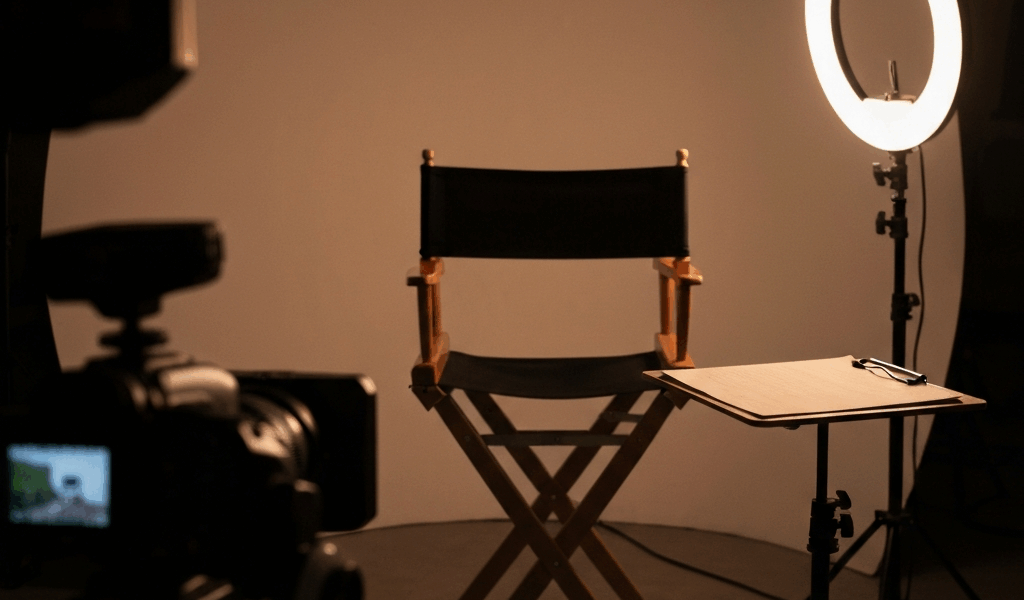
Some confessionals are shot in sterile, brightly lit rooms with a simple background. Others happen in low-light, intimate settings with plants or natural wood. The lighting alone changes the emotional tone. A contestant in a dark, moody setup with a single key light tends to be more introspective and vulnerable. The same person in bright, flat lighting tends to be more direct and energetic. That’s not coincidence—it’s production design.
Wardrobe consistency matters too. Producers often ask contestants to wear the same outfit for confessionals across multiple days of filming, so confessionals can be edited together seamlessly. But wearing the same clothes for days, eating on camera, worrying about continuity—all of that affects how someone sits, moves, and carries themselves. You’re not seeing them at their most natural.
The camera position changes things as well. A camera at eye level creates one dynamic. A camera slightly above eye level—the most common setup—makes contestants look more vulnerable and smaller. A camera below eye level makes them look powerful. Producers choose these angles partly for aesthetic reasons, partly because they know exactly how each angle affects the emotion on screen.
I’ve watched the same contestant’s confessional setup shift over a single season: tighter framing, warmer colors, dimmer lights in later episodes. That’s not accident. As the show’s narrative arc shifted, the production team shifted the confessional environment to match the emotional stakes.
Where This Tactic Shows Most Clearly
Some reality franchises lean harder on staged confessionals than others. The effect is most visible in moments of high stakes.
The Bachelor rose ceremonies are the obvious example. The producer presence during confessionals about eliminations is intense. Contestants are being asked to process major emotional decisions minutes or hours after they happen, in a room surrounded by crew, with producers feeding them narrative prompts. The confessionals you see aren’t the contestant’s unfiltered reaction—they’re the contestant’s interpretation of the moment, shaped by producer direction and time delay. You can sometimes spot the seams. A contestant will say something in a confessional that directly contradicts what they said to another contestant minutes earlier. That’s not them changing their mind. That’s them responding to different producer direction.
Survivor tribal council confessionals are even more theatrical. Before tribal council, contestants sit down with producers and essentially rehearse their votes and their narrative reasoning. By the time they’re in the confessional booth answering questions about their strategy, they’ve already had a dry run with a producer. What you see is a polished version of a prepared statement, not a spontaneous thought.
Big Brother eviction confessionals happen right after someone gets evicted, but the show’s producers have already spent hours with that contestant discussing the game, discussing other players, priming emotional angles. The confessional is the final extraction of narrative from someone in an exhausted, emotional state. It’s the least rehearsed of the major franchises, which is partly why Big Brother confessionals often feel rawer—and partly why they sometimes contradict later interviews when the contestant is thinking more clearly.
What This Means for How You Watch
Understanding confessional direction doesn’t mean reality TV is “fake.” Contestants really do feel the emotions they’re expressing. Their words are their own. But those words are being drawn out and shaped by production in real time.
When you’re watching a contestant break down in a confessional, they’re genuinely upset. But whether they got there through guided questioning, environmental setup, and time delay versus through immediate, unmediated reaction—that changes what you’re actually seeing. You’re not seeing their first instinct. You’re seeing their considered, shaped, sometimes rehearsed response to the moment.
This matters for how you interpret the show. If a contestant says something harsh in a confessional that contradicts how they acted in the moment, don’t assume they’re being two-faced. They might just be responding to a producer who asked them a question that highlighted the negative angle. If a contestant seems more articulate and self-aware in confessionals than they did in real conversations, it’s because they’ve had time to process, producer input to refine, and multiple takes to land on the right phrasing.
The best approach is to weight confessionals as narrative interpretation rather than factual record. They’re how the contestant is choosing to explain the moment, with producer input, after the moment has passed. That’s still interesting television. It’s still real emotional content. But it’s a step removed from authenticity, and knowing that gap exists makes you a smarter viewer.




Leave a Reply