Why Bachelor Edits Are Not the Full Story
Bachelor villain discourse has gotten complicated with all the hot takes and retrospective threads flying around. As someone who has rewatched an embarrassing number of franchise seasons — we’re talking roughly forty combined across Bachelor, Bachelorette, and Bachelor in Paradise — I learned everything there is to know about how these villain arcs actually get constructed. Today, I will share it all with you.
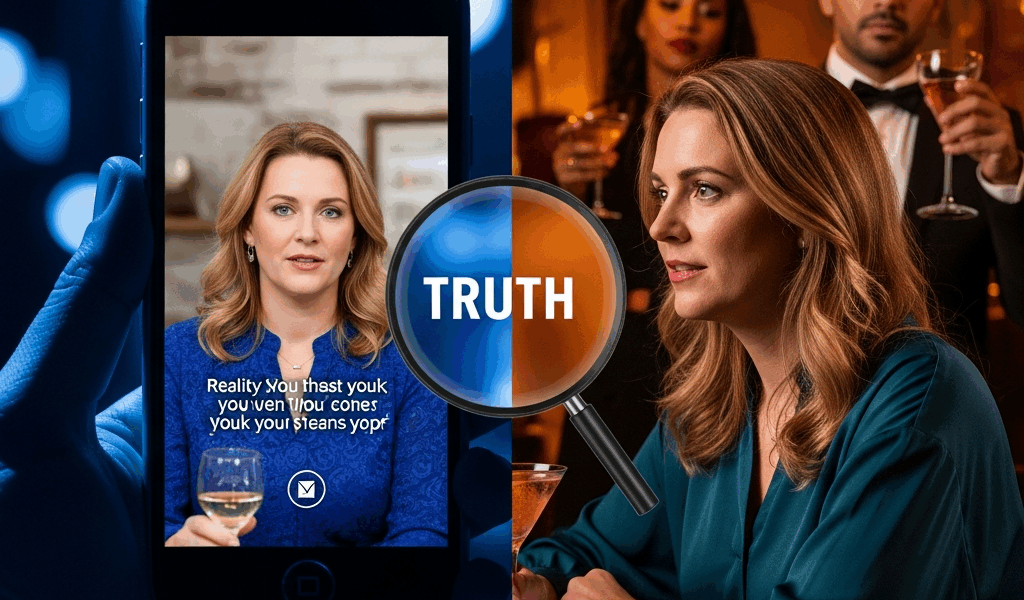
Here’s the basic mechanic. Producers splice confessionals out of chronological order. A contestant’s frustrated reaction shot lands after a scene she never actually watched. Editors cut away before conflicts resolve. Music cues do the rest — that low, dissonant string arrangement means “don’t trust her.” Former producers have said this openly in interviews, so none of it is secret. What you end up with is a character, not a person. And that character absorbs blame for drama the show itself manufactured and then handed her.
Contestants Who Got Blamed for Drama They Did Not Start
Kelsey Poe — Season 19, Chris Soules
Kelsey Poe became infamous for two moments. Calling her own backstory “amazing.” Having a panic attack that millions of viewers decided was performance art. But what is the actual Kelsey Poe story? In essence, it’s a woman processing grief on camera while producers shaped that footage into something grotesque. But it’s much more than that.
Watch the sequence again. Kelsey told Chris about losing her husband — genuinely devastating, no qualifier needed — and then said something in confessional that got clipped down to roughly eight seconds of usable villain content. The full version made it obvious she was still processing in real time. The clipped version made her sound like she was grading her own tragedy on a curve.
Then the panic attack. She collapsed in a hallway before a rose ceremony. Doctors were called. She was pulled from filming. The edit dropped it immediately after the “amazing” confessional, which made the collapse look strategic. There was no evidence it was faked. None. The show used two separate moments filmed hours apart and stitched them together into a story that never existed.
Corinne Olympios — Season 21, Nick Viall
Corinne is the easier case to make because the edit was so heavy-handed that even casual viewers noticed something was off. The other women’s reactions kept outrunning the actual crime being alleged. So what did Corinne do? She napped. She skipped a group date activity she found boring. She was direct about physical attraction. She had a nanny named Raquel — and that became the show’s entire shorthand for “delusional and spoiled.” That’s it. That’s the file.
Go back and watch those group date scenes without the music overlay. Other contestants whispered about Corinne constantly while she wasn’t in the room. Mocked her intelligence, openly. Made her the unanimous scapegoat for group tension that clearly predated her arrival by at least a week. The show framed those women as protective. It framed Corinne as the problem. She was twenty-four years old and confident. Apparently that’s enough.
Courtney Robertson — Season 16, Ben Flajnik
Courtney Robertson won her season and still got called a villain. That should tell you something right there. Her crimes were being sarcastic about women she found performatively sweet, skinny-dipping with Ben on a date, and making cutting remarks in confessionals. Go back and watch what the other women were actually doing during that same runtime — forming alliances, crying on a schedule, pulling Ben aside specifically to warn him about Courtney instead of, I don’t know, developing their own connections with the man.
Courtney was the only one consistently focused on Ben. She won because she was actually there for the right reasons — which is the exact phrase this franchise deploys constantly against people who behave exactly like she did. That’s what makes the whole contradiction endearing to us rewatch obsessives. The show punishes the behavior it claims to celebrate.
The Ones Who Were Honest and Punished for It
Michelle Money — Season 15, Brad Womack
Michelle Money said what she was thinking. Every single time. In a show built on manufactured vulnerability and careful emotional rationing, that kind of directness reads as aggression — full stop. She told Brad she was falling for him. She told other contestants when she thought they weren’t being genuine. She got the villain edit, the villain music, the whole package. Became the woman America loved to hate for twenty-odd episodes.
Fan favorite Emily Maynard that same season got praised constantly for being sweet and reserved. Emily also withheld information, stayed strategically quiet during conflict, and played the room with real precision. That’s not a criticism of Emily — it worked, she got the final rose, she became the Bachelorette. But it’s worth naming what it actually was. One woman got punished for transparency. The other got rewarded for strategic restraint. Both were playing the game. Only one got called a villain for it.
Tierra LiCaori — Season 17, Sean Lowe
Tierra told producers early on that she didn’t need their rose ceremony — meaning she was confident in her connection with Sean and wasn’t performing anxiety for the cameras. That became “Tierra doesn’t need a rose.” The show converted self-assurance into arrogance in one editorial move. Her sparkle comment — “I’m not going to let them take my sparkle” — became a punchline that lasted years. It was someone refusing to be broken down by a house full of women who had already decided to make her miserable.
Watched episode by episode without the pre-loaded villain framing, Tierra was isolated, mocked in group settings, excluded from conversations, and left to sit with it alone. Her reactions to that treatment got labeled erratic. Nobody on the show asked why she was always upset. The answer was sitting right there in the footage — unedited, right in frame — the whole time.
Villains vs. Fan Favorites — Who Actually Behaved Worse
Probably should have opened with this section, honestly. This is where the receipts are sharpest. So, without further ado, let’s dive in.
The comparison: Corinne Olympios vs. Vanessa Grimaldi, Season 21.
- What Corinne did: Skipped a group date. Brought Nick a bouncy castle — rented, not cheap. Made a whipped cream bikini. Called herself the “queen” in confessionals.
- What Vanessa did: Told Nick in an early episode that if he engaged with Corinne physically she would leave. That’s an ultimatum issued approximately six weeks into a process where he was simultaneously dating twenty-five women. By design.
Vanessa was beloved. Her ultimatum got framed as a woman with standards. Corinne bringing snacks to a pool party got framed as destabilizing the entire season. Nick chose Vanessa. They broke up five months later — confirmed by both of them in separate interviews. Corinne became a recurring fan-favorite guest and hosted her own podcast. I’m apparently more of a Corinne person and that framing works for me while the “Vanessa had standards” narrative never quite landed.
The double standard isn’t subtle. One woman was loud about what she wanted. The other was quiet about it but made the exact same demand. Loudness got punished. Strategic restraint got rewarded with the final rose and an engagement ring — a Neil Lane, $90,000 estimated retail, for whatever that’s worth.
A specific exchange worth noting: in Episode 8, Vanessa pulled Nick aside during a cocktail party specifically to discuss Corinne. Not their relationship. Not their future. Corinne. Meanwhile Corinne, in that same episode, spent her time with Nick asking about his family. The edit made Corinne the distraction and Vanessa the grounded one. The footage said something different. Don’t make my mistake of not watching that episode back-to-back twice.
Which Bachelor Villains Deserve a Full Reputation Rehab
Not everyone on this list needs equal defense. Here’s where I’d actually rank them:
- Kelsey Poe — Full rehab warranted. The editing done to her storyline was genuinely cruel in a way that still bothers me. Verdict: she was grieving on national television and got mocked for it by twelve million viewers a week.
- Tierra LiCaori — Mostly warranted. Her reactions were real responses to real mistreatment — documented, on camera, unrebutted. The sparkle comment is real. Verdict: the house broke her down and then blamed her for breaking.
- Corinne Olympios — Partial rehab warranted. She leaned into the edit eventually, which muddies things considerably. But the original Season 21 framing was wildly disproportionate to what she actually did. Verdict: confidently herself in a show that punishes exactly that in women, specifically.
Reframed by dozens of rewatch threads and a genuinely unhealthy number of paused DVR moments across maybe three years of doing this, I kept finding the same pattern — the villain was usually just the person who didn’t know she was supposed to hide it. The show rewards concealment and calls it grace. That’s what makes the whole machinery so endearing to us franchise obsessives, I think. It’s consistent, at least.
Who do you think got the rawest deal in Bachelor history? Drop it in the comments — I want to know which villain you’d go to bat for.




Leave a Reply