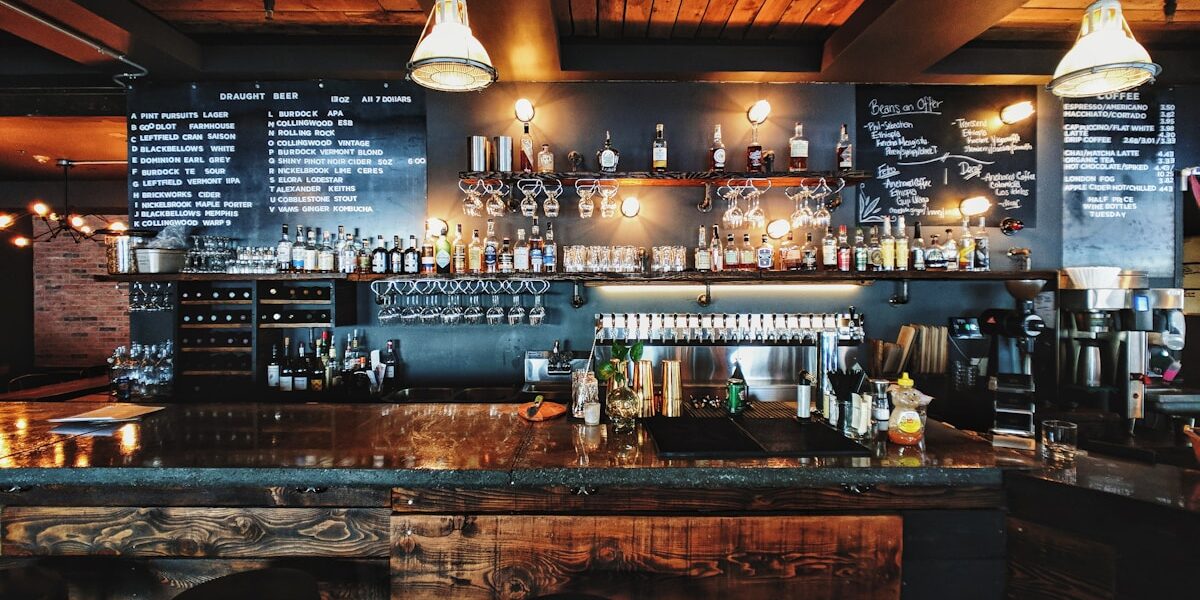
Status: CLOSED (2018)
Angry Ham’s Garage in Framingham, Massachusetts appeared on Bar Rescue Season 5. Jon Taffer found a bar with an identity crisis – part sports bar, part biker bar, part who-knows-what. The rebrand to “Garage 66” was supposed to focus the concept, but the transformation didn’t stick.
The Original Concept
Angry Ham’s Garage tried to be several things at once. The name suggested something edgy – maybe a biker bar, maybe a garage-themed hangout for car enthusiasts. But the execution was muddled. The decor didn’t commit to any particular vision. The menu wandered across styles. The clientele was confused about what kind of bar they were walking into.
This identity crisis is common in struggling bars. Owners try to capture every possible customer segment instead of excelling at one thing. The result is a venue that appeals to nobody strongly and everybody weakly. When customers have choices – and they always have choices – they go to places with clear identities.
Taffer’s Diagnosis
Jon Taffer’s approach to bar rescue is systematic. He analyzes the market, identifies the target demographic, and designs a concept to capture that audience. The renovation then brings the concept to life through decor, menu, and operations.
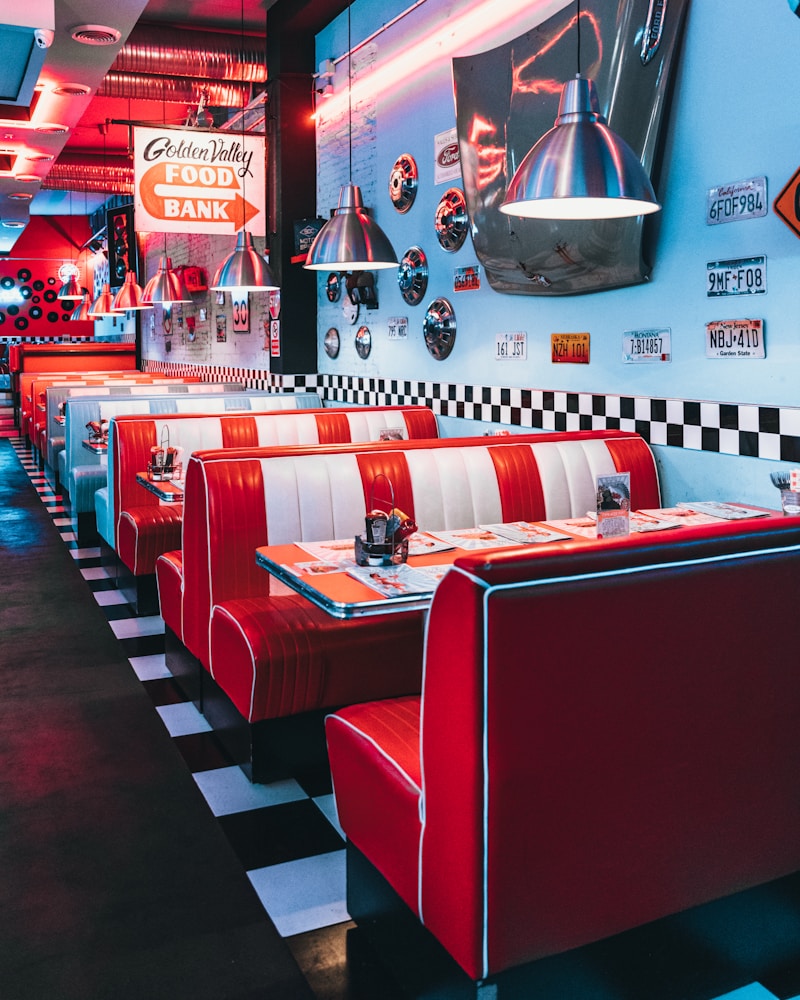
For Angry Ham’s Garage, Taffer saw an opportunity in the classic American roadhouse concept. “Garage 66” would evoke Route 66 nostalgia – Americana, road trips, burgers and beers. Clean lines, clear identity, a place that knew what it wanted to be.
The physical transformation was dramatic. New signage, new layout, new everything. The garage theme got refined into something coherent rather than scattered. Staff received training on the new concept and service standards.
What Went Wrong
Reports suggest the owners struggled with the changes. Bar Rescue transformations require buy-in from the entire team. If key people aren’t committed, the improvements don’t last. Old habits creep back. The new systems get abandoned. The rebrand fades.
Within months, elements of the old Angry Ham’s started reappearing. The name changed back. The concept blurred again. Whatever vision Taffer had implemented was being dismantled piece by piece.
This pattern is frustratingly common on rescue shows. Owners agree to changes during filming – when cameras are rolling and experts are present – then revert once left alone. The reasons vary: attachment to the original concept, resistance from staff, inability to maintain new standards without supervision.
The Economics of Failing Bars
Bar Rescue subjects typically arrive with serious financial problems. Angry Ham’s Garage was no exception. The rescue might address operational issues, but it can’t erase accumulated debt or fix fundamental market problems.
A bar that’s been losing money for years often faces challenges beyond what any renovation can solve. Landlords want back rent. Vendors want payment. Employees are demoralized. The community has already written the place off. Turning around that momentum requires sustained excellence over months, not a dramatic two-day makeover.
Even with perfect execution of Taffer’s plan, Angry Ham’s Garage faced an uphill battle. The Massachusetts bar market is competitive. Framingham isn’t short on drinking options. A bar that’s already developed a reputation for confused identity can’t easily shake that perception.
The Closure
The bar finally closed in 2018. Another casualty of the statistics – even with expert help, most struggling bars don’t make it. The failure rate for bars that appear on rescue shows roughly matches the failure rate for bars in general, which is to say: most fail.
Some Bar Rescue fans blamed the owners for abandoning Taffer’s vision. Others pointed to market conditions or pre-existing debt. The truth is probably a combination. Failing businesses fail for multiple reasons, and rescue shows can only address some of them.
The Lesson
Taffer often talks about how bar owners are their own worst enemies. They have emotional attachments to decisions that are hurting their business. They resist advice from people who know better. They value their vision over their survival.
Angry Ham’s Garage exemplifies this pattern. The owners weren’t willing or able to commit to the changes that might have saved them. Whether from stubbornness, nostalgia, or simple exhaustion, they let a potentially viable rescue slip away.
For viewers, episodes like this offer a different kind of lesson than the success stories. Not every problem can be solved. Not every business deserves to survive. Sometimes the makeover isn’t the issue – the problem is what happens when the cameras leave.
Last verified: January 2026

Leave a Reply